

Buy Black Tar Heroin
Price range: £180.00 through £1,700.00
Buy Black Tar Heroin Online | Buy Black Tar Heroin Online 99% Pure
Black tar heroin is a free base form of heroin that is sticky like tar or hard like coal. Its dark color is the result of crude processing methods that leave behind impurities. Despite its name, black tar can also be dark orange or dark brown in appearance.
Composition
Pure morphine and heroin are both fine powders. Tar’s unique appearance and texture is due to its acetylation without benefit of the usual reflux apparatus.
The assumption that tar has fewer adulterants and diluents is a misconception. The most common adulterant is lactose, which is you add to tar via dissolving of both substances in a liquid medium, reheating and filtering, and then recrystallizing.
Black tar heroin is a distinctive and widely recognized form of illicit heroin that has played a significant role in opioid use patterns, public health challenges, and drug policy debates, particularly in North America.
Known for its dark color, sticky or brittle texture, and relatively crude refinement compared to other heroin forms, black tar heroin occupies a unique position in the global opioid landscape.
Its emergence is tied to historical, economic, and geopolitical factors, while its effects ripple through medical systems, communities, and legal institutions.
1.1 Early History of Heroin
Heroin, chemically known as diacetylmorphine, was first synthesized in 1874 and later commercialized in the late 19th century as a pharmaceutical product. Initially marketed as a treatment for pain, cough, and even morphine dependence, heroin was widely prescribed before its addictive properties became fully understood. By the early 20th century, governments began regulating and eventually prohibiting non-medical heroin use due to rising addiction rates.
As legal production declined, illicit heroin markets emerged to meet ongoing demand. Different regions developed distinct production techniques and heroin varieties based on available materials, technical expertise, and trafficking routes.
1.2 Emergence of Black Tar Heroin
Black tar heroin originated primarily in Mexico during the mid-to-late 20th century. Producers there adopted less refined processing methods that were cheaper and faster than those used to produce white powder heroin. These methods resulted in a darker, stickier product with a higher concentration of impurities.
By the 1970s and 1980s, black tar heroin became the dominant form of heroin in the western United States, while white powder heroin—often sourced from Southeast Asia or South America—was more prevalent in eastern regions. This geographic divide shaped regional drug markets and patterns of opioid-related health outcomes.
2.1 Appearance and Texture
Black tar heroin typically appears as a dark brown or black substance with a consistency resembling roofing tar, hardened resin, or thick molasses. When fresh, it may be sticky and pliable; when exposed to air, it can harden and become brittle. This appearance distinguishes it sharply from powder heroin, which is usually white or beige and finely milled.
2.2 Chemical Composition
At its core, black tar heroin contains diacetylmorphine, the same active compound found in other heroin forms. However, due to less extensive refinement, it also contains a variety of impurities and byproducts from the production process. These impurities contribute to its darker color and altered chemical profile.
Purity levels in black tar heroin can vary widely. Some batches may contain relatively low concentrations of diacetylmorphine, while others may be unexpectedly potent. This variability significantly increases the risk of adverse effects and overdose.
2.3 Stability and Degradation
Black tar heroin is generally less chemically stable than more refined heroin products. Environmental factors such as heat, light, and air exposure can degrade its active compounds over time, leading to inconsistent potency even within the same batch.
3. Pharmacology and Mechanism of Action
3.1 Interaction with the Brain
Like all heroin, black tar heroin is an opioid that exerts its effects by binding to mu-opioid receptors in the brain and central nervous system. Once inside the body, it is rapidly metabolized into morphine, which produces its characteristic effects.
3.2 Short-Term Effects
Short-term effects commonly associated with heroin use include:
-
Intense euphoria
-
Pain relief (analgesia)
-
Sedation and drowsiness
-
Slowed breathing
-
Constricted pupils
-
Reduced anxiety and emotional distress
These effects are often accompanied by side effects such as nausea, itching, dry mouth, and impaired judgment.
| Quantity |
5 Grams ,10 Grams ,25 Grams ,50 Grams |
|---|
Related products
Buy K-Powdered Milk Online
Price range: £100.00 through £1,000.00
MDMA Pills 300mg
Price range: £240.00 through £1,484.00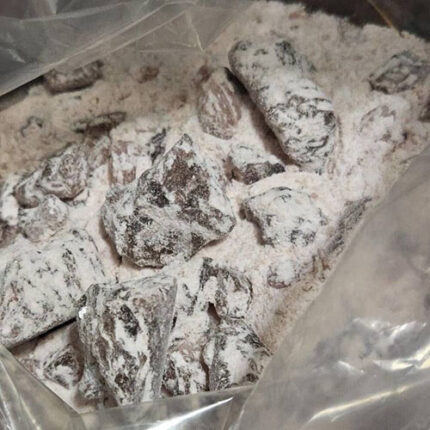
Pure MDMA Rocks
Price range: £270.00 through £1,677.00



Reviews
There are no reviews yet.